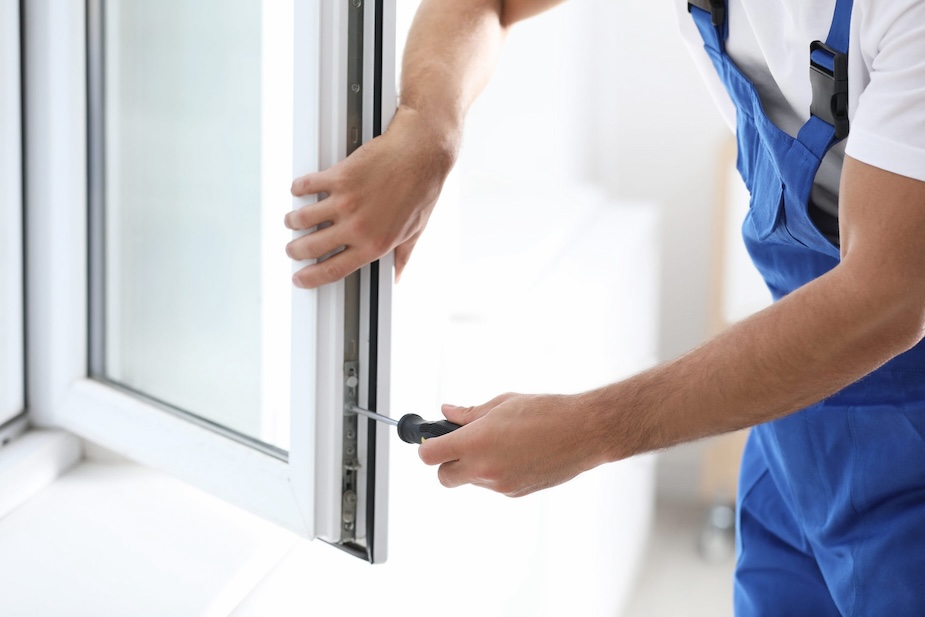
How to Repair a House Window Lock: A Comprehensive Guide
Home window locks are essential for making sure the security and convenience of a home. Nevertheless, in time, these locks can end up being used out, jammed, or otherwise inefficient. Whether due to age, weathering, or accidental damage, a malfunctioning window lock can be a considerable hassle and a possible security threat. This post supplies a detailed guide on how to repair typical window lock concerns, making sure that house owners can maintain the stability of their windows and the security of their homes.
Typical Issues with Window Locks
Before diving into the repair procedure, it's essential to comprehend the common problems that can emerge with window locks:
- Jammed or Stuck Locks: This is among the most frequent problems. The lock may end up being challenging to turn or may not engage at all.
- Damaged Components: Over time, the internal parts of the lock can wear down, leading to decreased functionality.
- Rusted or Corroded Parts: Exposure to the aspects can trigger rust and deterioration, making the lock difficult to run.
- Broken or Missing Parts: Accidental damage or wear and tear can lead to damaged or missing elements.
- Misaligned Locks: The lock system may become misaligned, preventing it from locking correctly.
Tools and Materials Needed
To repair a house window lock, you will need the following tools and products:
- Screwdriver Set (Phillips and flathead)
- WD-40 or lubricant
- Replacement Parts (if essential)
- Pliers
- Silicone Grease
- Allen Wrenches (if your lock needs them)
- A Small Brush
- A Clean Cloth
Step-by-Step Guide to Repairing a House Window Lock
1. Determine the Problem
The first action in any repair process is to determine the particular concern with your window lock. Here are some common signs and their likely causes:
- Symptom: The lock is stuck and will not turn.
- Possible Causes: Dirt or particles in the lock, rust or rust, damaged elements.
- Symptom: The lock turns however doesn't engage.
- Possible Causes: Misaligned lock mechanism, damaged parts.
- Sign: The lock is loose or unsteady.
- Possible Causes: Loose screws, damaged frame.
2. Tidy the Lock
Before proceeding with any repairs, it's essential to clean up the lock to remove any dirt, debris, or rust that might be causing the issue.
- Eliminate the Lock: If possible, eliminate the lock from the window frame. This will give you much better access to clean the internal parts.
- Take apart the Lock: Use a screwdriver to take apart the lock, making sure to keep track of all the parts.
- Clean the Parts: Use a small brush and a tidy cloth to remove any dirt or particles. For rust or deterioration, use a rust eliminator or a vinegar option and scrub carefully.
- Lube the Parts: Once the lock is tidy, use a light coat of lube like WD-40 or silicone grease to the internal components. This will help the lock relocation efficiently.
3. Examine and Replace Worn-Out Components
After cleaning, inspect the lock elements for wear and tear. If any parts are worn or damaged, they will need to be replaced.
- Recognize Worn-out Parts: Common damaged parts include the lock cylinder, spring, and latching mechanism.
- Purchase Replacement Parts: Visit a regional hardware store or online seller to discover the appropriate replacement parts for your lock model.
- Replace the Parts: Follow the manufacturer's directions to install the new parts. If you're uncertain, think about seeking advice from a professional locksmith.
4. Align the Lock Mechanism
If the lock turns but does not engage, it may be misaligned. Here's how to realign it:
- Check the Strike Plate: Ensure that the strike plate (the metal piece on the window frame that the lock latches into) is appropriately lined up with the lock.
- Adjust the Strike Plate: If the strike plate is misaligned, use a screwdriver to adjust it. You might need to get rid of the screws, rearrange the strike plate, and reattach it.
- Evaluate the Lock: Reattach the lock and test it to ensure it latches appropriately.
5. Tighten Loose Screws
If the lock is loose or unsteady, it might be due to loose screws. Here's how to tighten them:
- Locate the Screws: Identify the screws that secure the lock to the window frame.
- Tighten up the Screws: Use a screwdriver to tighten the screws. If the screws are removed, you may require to replace them with bigger or longer screws.
- Evaluate the Lock: Ensure that the lock is safe and operates smoothly after tightening up the screws.
6. Reassemble and Test the Lock
When you have cleaned up, replaced, and changed the required elements, it's time to reassemble the lock and test it.
- Reassemble the Lock: Put the lock back together in the reverse order of disassembly. Make sure all parts are properly lined up and secured.
- Reattach the Lock: If you removed the lock from the window frame, reattach it using the screws and pliers.
- Check the Lock: Open and close the window several times to make sure the lock engages and disengages efficiently. Check for any additional issues.
FAQs
Q: Can I repair a window lock myself?
A: Yes, many typical window lock problems can be fixed with basic tools and a little bit of patience. However, if the problem is complicated or if you are unsure of the steps, it's best to speak with a professional locksmith.
Q: How frequently should I oil my window lock?
A: It's an excellent concept to lubricate your window lock every six months to a year, depending on the frequency of usage and the environmental conditions. This will assist avoid rust and guarantee smooth operation.
Q: What should I do if the lock is still not working after cleansing and lubricating?
A: If the lock is still not working after cleansing and lubricating, the issue might be more serious. Look for damaged or broken elements and replace them as needed. If the problem continues, think about calling an expert locksmith.
Q: Can I utilize routine oil to oil the lock?
A: It's not advised to use regular oil on window locks as it can bring in dirt and cause more problems. Rather, use a specialized lube like WD-40 or silicone grease, which are developed to keep locks tidy and moving efficiently.
Q: What should I do if the lock is jammed and I can't eliminate it?
A: If the lock is jammed and you can't eliminate it, you may need to use a lock pick or a small flathead screwdriver to carefully pry it open. Take care not to damage the lock or the window frame. If you're not comfy doing this, call a locksmith for help.
Preserving the functionality of your house window locks is important for both security and benefit. By following Repair My Windows And Doors detailed in this guide, homeowners can deal with common issues and ensure their windows stay secure. Routine cleansing and lubrication, together with prompt replacement of damaged parts, can extend the life of your window locks and keep your home safe and comfy. If you experience more complex problems, don't think twice to seek professional help.
By taking a proactive technique to window lock maintenance, you can avoid the trouble and expense of replacing the whole window, and enjoy comfort knowing that your home is well-protected.